

As winter blankets our gardens in a serene hush, it may seem like a time of dormancy for our beloved roses. However, experienced gardeners know that winter is the perfect season for a crucial task: pruning. Pruning roses in winter isn’t just a ritual; it’s a strategic move that can make a significant difference in the health, vigor, and blooming potential of your roses come spring and summer. In this blog post, we’ll delve into the reasons why winter pruning is essential for rose care and how it can lead to a flourishing display of colourful blooms.
The Winter Pruning Guide: Nurturing Your Roses for Blooming Success
Encourage Growth and Blooming:
One of the primary reasons for pruning roses in winter is to stimulate new growth and encourage abundant blooming. By carefully trimming away dead, diseased, or weak canes, you allow the plant to redirect its energy towards producing new, healthy shoots. This promotes a robust framework and increases the number of flowering stems, ultimately resulting in a more prolific display of blooms when the growing season arrives.

Disease Prevention:
Winter is an ideal time to rid your roses of any lingering diseases or pests that may have taken residence during the previous growing season. Removing diseased canes and debris helps prevent the spread of pathogens and reduces the likelihood of infections. Adequate air circulation, facilitated by a well-pruned rose bush, further diminishes the risk of fungal diseases, ensuring your roses stay healthy and vibrant.
Shape and Structure:
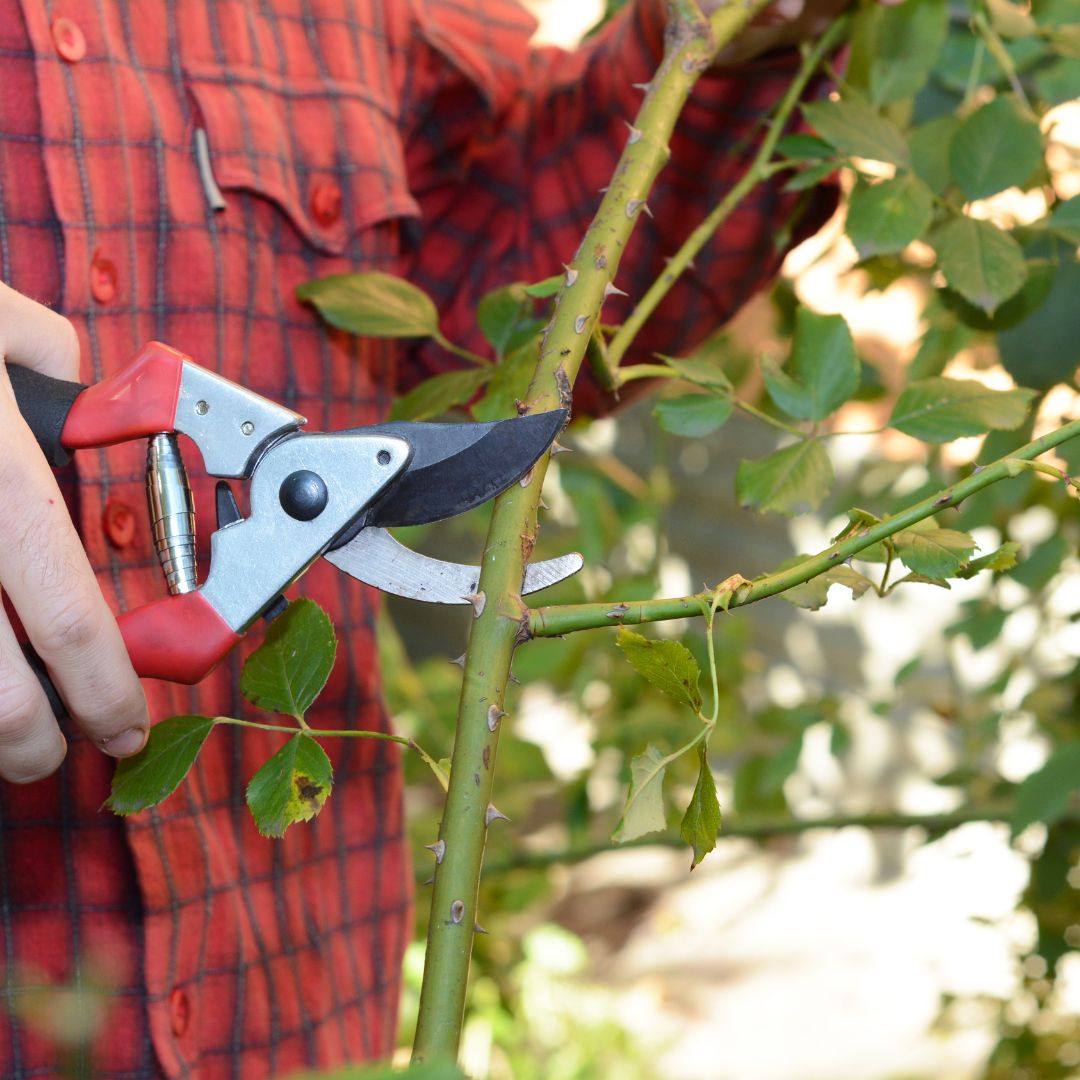
Pruning in winter allows you to sculpt the shape and structure of your rose bushes. Trimming away unwanted growth helps maintain an open and balanced form, preventing overcrowding and allowing sunlight to penetrate the inner parts of the plant. A well-shaped rose bush not only looks aesthetically pleasing but also facilitates better air circulation and reduces the risk of mould and mildew.
Remove Dead and Weak Wood:
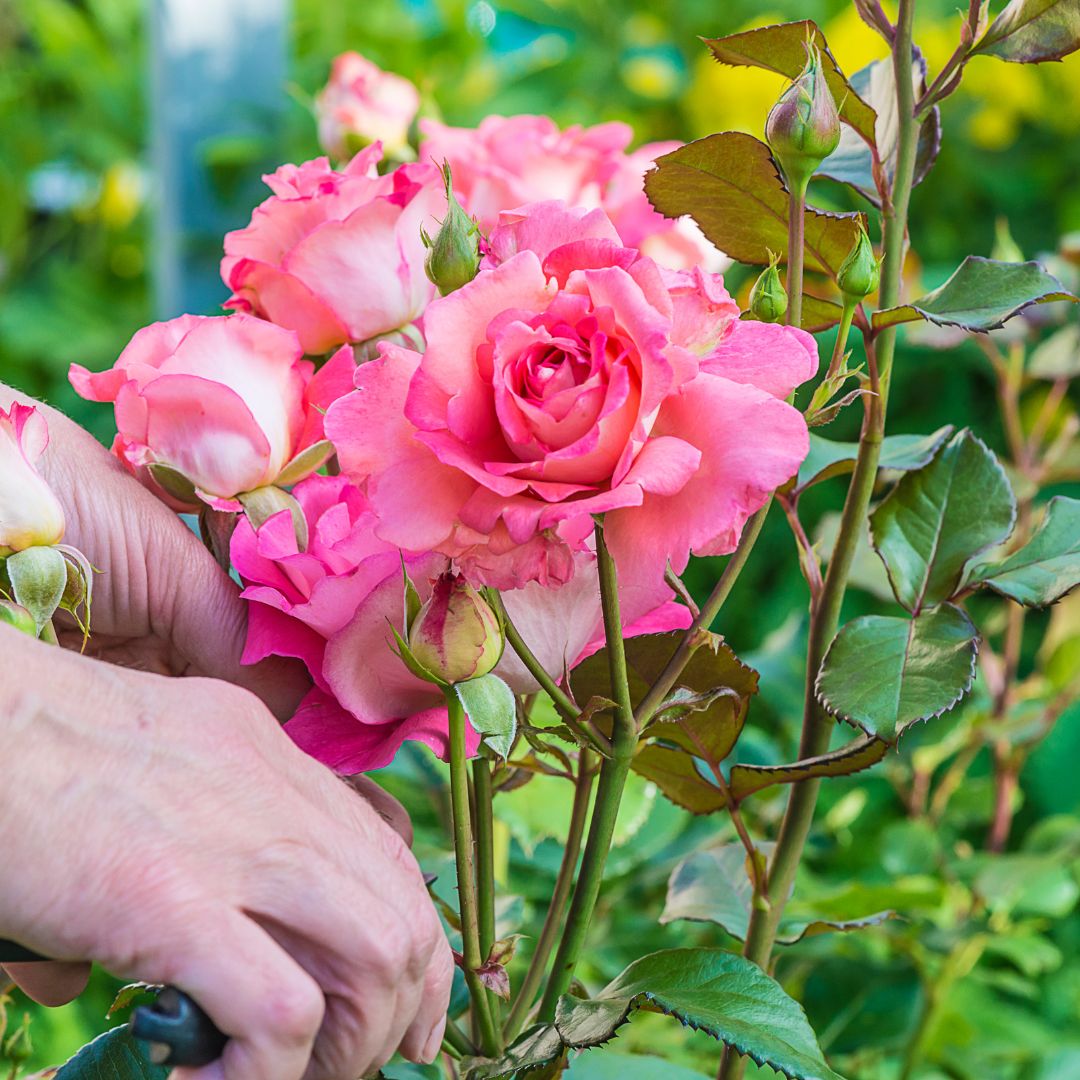
Winter is the perfect time to identify and remove dead or weak wood from your roses. Dead canes not only hinder the overall appearance of the plant but also serve as potential entry points for diseases. Removing weak or spindly growth ensures that the plant invests its energy in developing strong, healthy canes that contribute to a more resilient and vigorous rose bush.

Enhance Flower Size and Quality:
Pruning stimulates the production of larger and higher-quality flowers. By focusing the plant’s energy on fewer, well-spaced canes, you promote the development of robust blooms with vibrant colours and improved fragrance. This attention to detail during winter pruning pays off in the form of a stunning and impressive floral display when the blooming season arrives.