







We look forward to welcoming you soon!
Discover Amazing Plants, Garden furniture, Giftware, Belle’s Playbarn, The Poultry Centre and much more!
Watling Street,
Towcester,
Northants,
NN12 6GX
We are situated on the large roundabout where the A5 from Towcester and A43 meet. Take the A5 exit towards Hinkley and our entrance is just off the roundabout. Look our for our purple cockerel at the roundabout!
We’re just a 15 mins drive from Brackley
We’re also a 20 min drive from Daventry, Northampton and Milton Keynes
Mon-Sat: 9am to 5:30pm
Sunday: 10:30am to 4:30pm
Normal hours Bank Holiday Mondays
Café
Mon to Sat: 9am-5pm
Sun: 10:00am-4pm
Normal hours Bank Holiday Mondays
Breakfast Service until 11am.
Lunch Service 11:30am to 3:30pm
Drinks and Cake all day
GOOD Based on 743 reviews Posted on Elaine Northeast A great place to meet up for a coffee or something more substantial like lunch. Specials menu was great. Really easy to order direct to your table via the app and very friendly staff.Posted on Josh Brown Brought my daughter for soft play, had some refreshments for lunch, halloumi wrap disgusting!Posted on Kelvin Hack Very pleasant staff nicely laid out store and great food.Posted on LizCon Woolley As usual, a good meal with friends from afar, friendly service and useful shopping afterwards. Huge Christmas stalls.Posted on Debbie Dickens We had a lovely lunch.Fast efficient service, friendly staff, and the food was delicious.Would highly recommend it.Posted on Dom LeGros Delicious food, quick servicePosted on LIZ LEWIS We get our chickens here - staff are knowledgeable and so helpful. Wide range of breeds.Posted on P excellentPosted on Hannah Guy What a fantastic garden centre! They have a huge selection of plants and also homeware and gift items as well as a fab little deli style shop to pick up some delicious bits to take home with you. It is very easy to park and also very easy to end up buying too much as the variety on offer is great!Posted on Isaac Grinnell Cheese Scones are immense

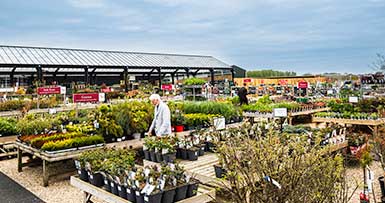
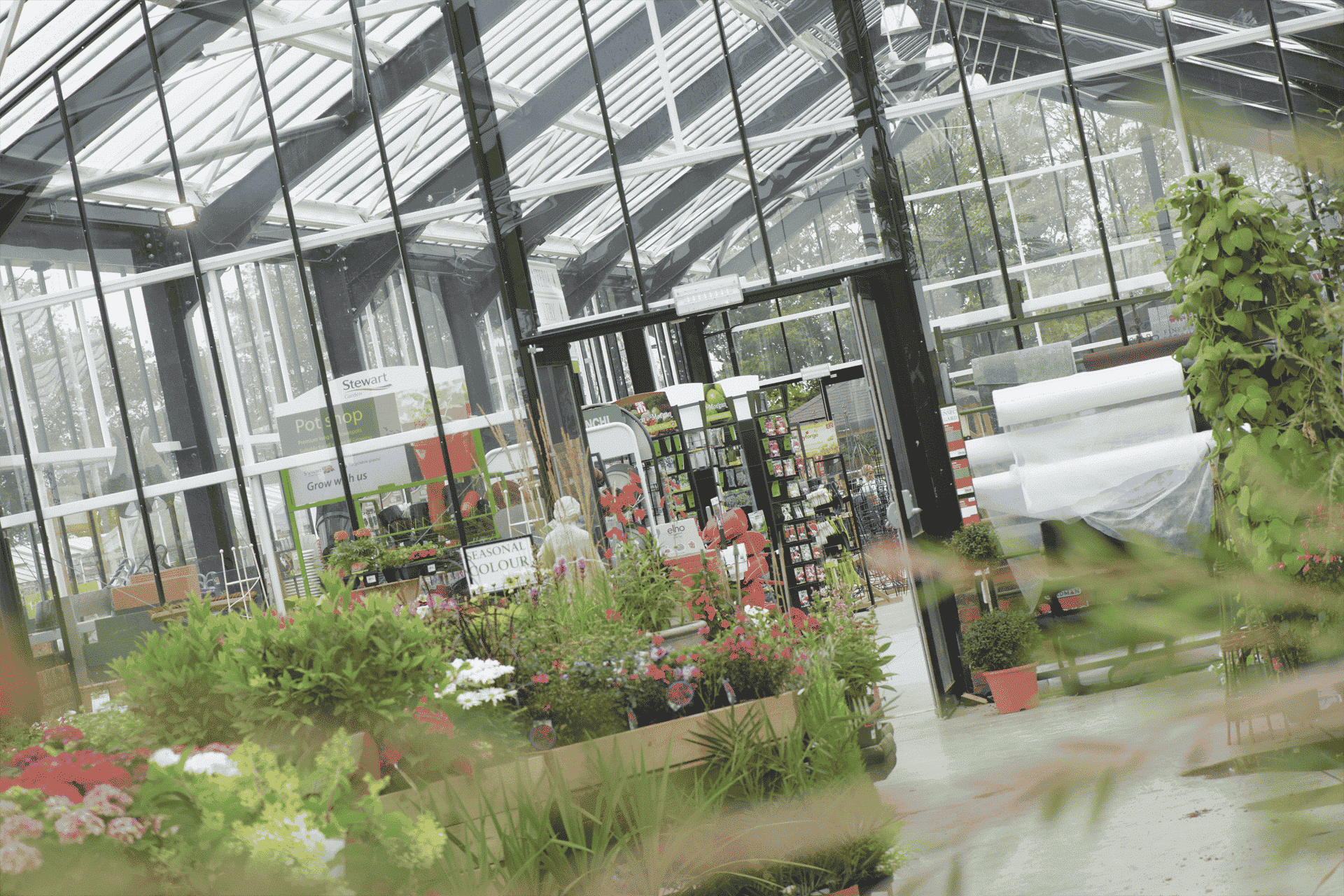
Browse a wide range of plants, trees, shrubs, herbaceous, roses and anything else you want to put in your garden in our 48,000 square feet plant area and shop. We also have a popular gift shop with cards, books, presents and clothing as well as a gardening shop selling tools, chemicals and fertilizers, bird care, seeds and Christmas decorations in December.

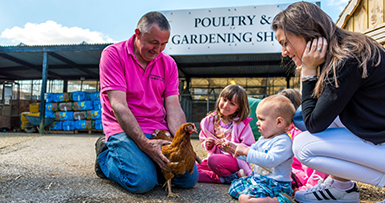
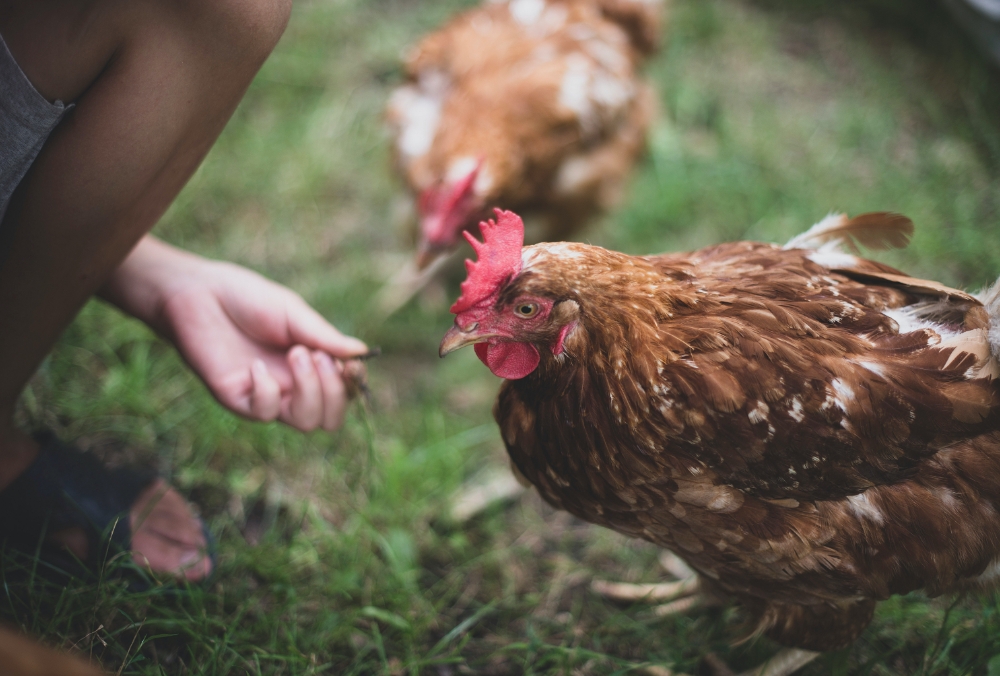
We have over 50 different breeds of all kinds of poultry that include pure breeds, hybrid chickens, ducks, geese, peafowl, pheasants and quails; the biggest number of poultry birds in the Midlands. Each hybrid hen also comes with a 28-day replacement guarantee.


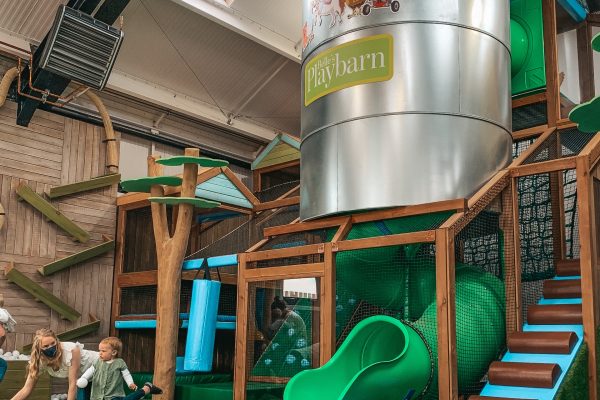
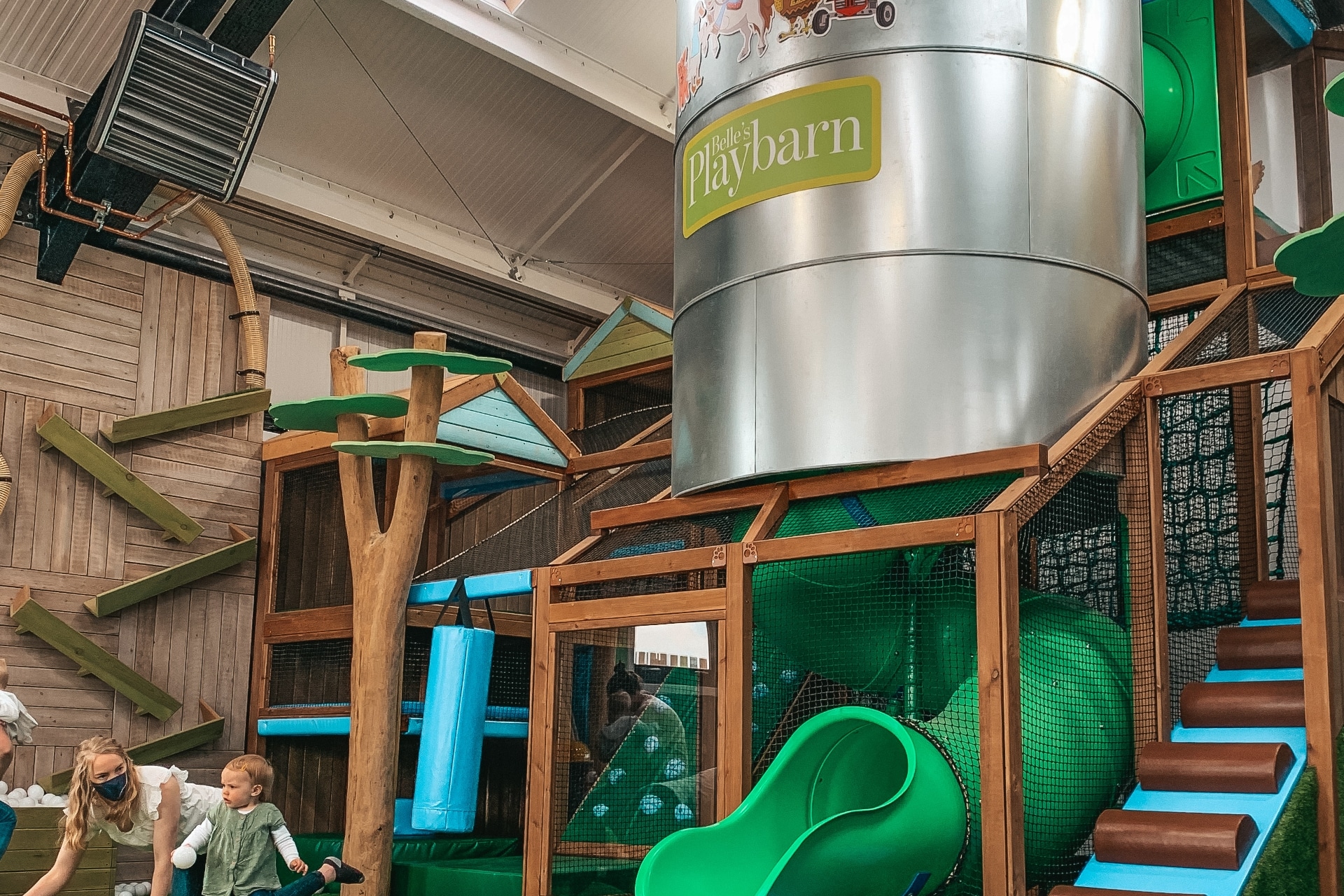
Make a day of it and visit our newly opened playbarn. Our playbarn is a one of a kind wooden play frame. Little ones can play safely in our enclosed .
Children of all ages will love playing, building and imagining with our soft hay bales, and then whizzing down the slides!
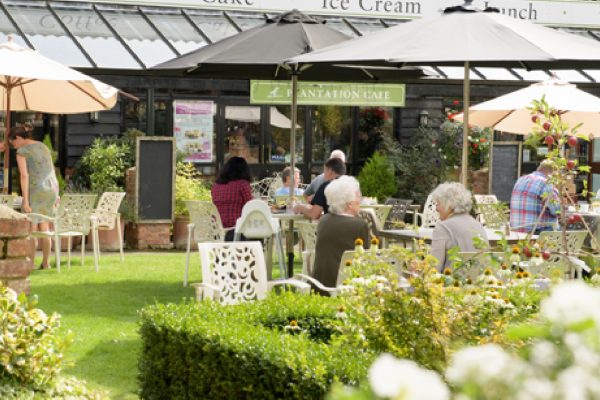
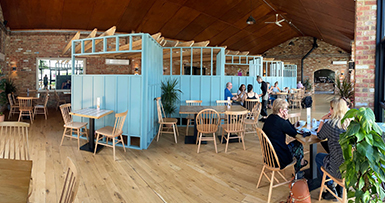
When you all need a break and to recharge your batteries, our cafe offers a wide selection of drinks, snacks and meals all in an air conditioned environment.
Don’t forget to book your space today to guarantee a place!


Step into the world of Perch Coffee, a haven designed exclusively for coffee enthusiasts on the hunt for their daily dose of caffeine bliss. Embrace the inviting ambiance of our charming coffee hut, ‘Perch Coffee’ where we pour our hearts into ensuring an exceptional and delightful experience for each and every one of our cherished customers.

We have also welcomed other retail businesses on site that are sure to enhance your visit!

1. Bell Plantation Garden Centre & Food Hall
2. Plantation Cafe
3. Belle’s Playbarn
4. Poultry Centre
5. Heavenly Feet
6. Frocks & Shoes
13. Towcester Hand Car Wash
14. Beech House Vets
15. Texture Interiors
16. Barkberry Yard
17. Perch Coffee
18. John Nicholls Trade Counter
19. John Nicholls Showroom
20. TO LET
21. TO LET
22. Vitreus Art
23. Vinebud
24. Bonmarche
25. Pavers
The late-winter stars every garden should have When most of the garden is still quiet, camellias step in and steal the show. From February through April they produce elegant, rose-like blooms on glossy evergreen foliage — often becoming the very first real colour of the year. They also have a reputation for being “difficult”… but in truth camellias are very reliable plants once you understand one simple thing: They don’t need special care — they just need the right conditions. Get that right, and a camellia can live for decades, flowering every single year and gradually becoming a real feature in your garden. Why gardeners love camellias Evergreen structure all year round Flower during the dullest months Perfect for north-facing or partially shaded gardens Grow happily in pots or borders Long-lived (many outlast the people who planted them!) They’re also brilliant for patios — especially near a doorway or seating area where you can actually enjoy the flowers in late winter. Where to plant a camellia (this is the important bit) Camellias are woodland-edge plants. Think cool, sheltered and gently shaded, not hot and exposed. They prefer: Partial shade or dappled light Shelter from cold winds Protection from early morning sun (very important in winter) The biggest cause of camellia flower buds turning brown and dropping is frost followed by bright morning sun. The petals thaw too quickly and the flowers are damaged — so an east-facing position is usually the worst place for them. A north or west facing spot is usually perfect. Soil — the one rule you must follow Camellias are acid-loving plants (also called ericaceous plants, like rhododendrons and azaleas). They will not thrive in chalky or alkaline soil. How to check If you: have chalky soil see white stones in the ground struggle to grow rhododendrons or blueberries You should grow your camellia in a container instead. How to plant a camellia in the ground Dig a hole twice as wide as the root ball (not deeper) Mix plenty of ericaceous compost into the soil Position the plant slightly high (top of root ball just above soil level) Backfill and firm gently Water well Mulch with bark or compost Important: Never bury the stem deeper than it was in the pot — camellias dislike being planted too deeply. Growing camellias in pots (often the easiest option) Camellias are actually excellent container plants and often perform better in pots in many UK gardens. You will need: A large pot (at least 40–50cm wide) Ericaceous compost Good drainage (crocks or grit in the base) Water thoroughly after planting and keep the compost consistently moist — never bone dry. Top tip: place the pot on feet so water can drain freely. Watering, feeding & general care WateringCamellias dislike drying out, especially in summer and while forming buds (July–September).If possible, use rainwater — tap water in hard-water areas slowly raises soil pH. FeedingFeed in spring (April) and again in early summer with an ericaceous fertiliser.This encourages strong green leaves and next year’s flower buds. MulchingAdd a mulch of bark, leaf mould or compost every spring.This keeps roots cool and moist — exactly what camellias love. Pruning (much less than people think) Good news: camellias are naturally neat and rarely need much pruning. Simply: Remove dead or damaged branches Lightly shape after flowering (April–May) Avoid pruning in autumn — you’ll remove next year’s flower buds. Common problems (and easy fixes) Buds dropping before openingUsually caused by: Dry soil in summer Late frost Moving the plant while in bud Yellow leaves with green veinsThis is iron deficiency (chlorosis) from alkaline soil or hard water.→ Treat with ericaceous feed and rainwater. No flowersOften because the plant was pruned at the wrong time or allowed to dry out in late summer when buds were forming. A plant for the long term A camellia isn’t just a seasonal purchase — it’s a feature shrub.Planted well, it will grow a little every year, becoming a reliable highlight just when the garden needs lifting most. Many gardeners say their camellia becomes the plant they look forward to seeing bloom more than any other — because it marks the real beginning of spring. If you’re looking to add colour, structure and something a little special to your garden, this is one plant you’ll never regret planting. If you’d like to find out more or have questions then please do come and talk to our experts CONTACT US
As winter blankets our gardens in a serene hush, it may seem like a time of dormancy for our beloved roses. However, experienced gardeners know that winter is the perfect season for a crucial task: pruning. Pruning roses in winter isn’t just a ritual; it’s a strategic move that can make a significant difference in the health, vigor, and blooming potential of your roses come spring and summer. In this blog post, we’ll delve into the reasons why winter pruning is essential for rose care and how it can lead to a flourishing display of colourful blooms. The Winter Pruning Guide: Nurturing Your Roses for Blooming Success A simple step-by-step guide Remove any dead, blackened or damaged stems first Cut out crossing branches (anything rubbing together) Reduce remaining stems by about ⅓–½ Always cut just above an outward-facing bud Aim for an open “goblet” shape in the centre How much to cut (this is the bit most people worry about!) Bush roses / Hybrid teas / Floribundas: Cut down to around knee height Shrub roses: Lightly shape and reduce by about one third Climbing roses: Don’t shorten the main long stems — just prune side shoots back to 2–3 buds Standard roses: Prune the head just like a bush rose Aftercare makes all the difference After pruning: • Feed with a rose fertiliser• Mulch around the base (compost or manure is ideal)• Water well if the soil is dry You’ll be amazed — roses pruned now often flower weeks earlier and far more heavily. Encourage Growth and Blooming: One of the primary reasons for pruning roses in winter is to stimulate new growth and encourage abundant blooming. By carefully trimming away dead, diseased, or weak canes, you allow the plant to redirect its energy towards producing new, healthy shoots. This promotes a robust framework and increases the number of flowering stems, ultimately resulting in a more prolific display of blooms when the growing season arrives. Disease Prevention: Winter is an ideal time to rid your roses of any lingering diseases or pests that may have taken residence during the previous growing season. Removing diseased canes and debris helps prevent the spread of pathogens and reduces the likelihood of infections. Adequate air circulation, facilitated by a well-pruned rose bush, further diminishes the risk of fungal diseases, ensuring your roses stay healthy and vibrant. Shape and Structure: Pruning in winter allows you to sculpt the shape and structure of your rose bushes. Trimming away unwanted growth helps maintain an open and balanced form, preventing overcrowding and allowing sunlight to penetrate the inner parts of the plant. A well-shaped rose bush not only looks aesthetically pleasing but also facilitates better air circulation and reduces the risk of mould and mildew. Remove Dead and Weak Wood: Winter is the perfect time to identify and remove dead or weak wood from your roses. Dead canes not only hinder the overall appearance of the plant but also serve as potential entry points for diseases. Removing weak or spindly growth ensures that the plant invests its energy in developing strong, healthy canes that contribute to a more resilient and vigorous rose bush. Enhance Flower Size and Quality: Pruning stimulates the production of larger and higher-quality flowers. By focusing the plant’s energy on fewer, well-spaced canes, you promote the development of robust blooms with vibrant colours and improved fragrance. This attention to detail during winter pruning pays off in the form of a stunning and impressive floral display when the blooming season arrives. In the quietude of winter, when your garden may seem at rest, don’t overlook the importance of tending to your roses. Winter pruning is a proactive and essential practice that sets the stage for a spectacular show of blooms in the upcoming seasons. By investing time and care into your roses during this dormant period, you’re not only preserving their health but also ensuring that your garden will burst forth with vibrant colors and fragrances when spring emerges from its wintry cocoon. If you’d like to find out more or have questions then please do come and talk to our experts CONTACT US
Why a Houseplant Is the Perfect Valentine’s Gift Valentine’s Day is a celebration of love, care and connection — and what better way to express that than with a living gift that continues to grow? While flowers and chocolates are classic choices, houseplants offer something more lasting, meaningful and personal. They’re a gift that evolves over time, just like a great relationship. A Living Symbol of Love A houseplant isn’t just a gift for the day — it’s something that becomes part of everyday life. As it grows and flourishes, it serves as a gentle reminder of the person who gave it. Long after Valentine’s cards are tucked away, a plant continues to bring joy, colour and life into the home. Longer-Lasting Than Cut Flowers Cut flowers are beautiful, but fleeting. Houseplants, on the other hand, can last for years with the right care. Whether it’s a leafy green statement plant or a romantic flowering favourite, your gift keeps giving — making it a thoughtful alternative for anyone who appreciates something a little more meaningful. Feel-Good Benefits for Home & Wellbeing Houseplants don’t just look good — they make us feel good too. Studies have shown that indoor plants can help boost mood, reduce stress and improve overall wellbeing. Many also help improve air quality, creating a healthier and more calming living environment. It’s a Valentine’s gift that’s as good for the mind as it is for the home. A Gift for Every Personality One of the best things about houseplants is their versatility. For the busy or forgetful: Easy-care plants that thrive with minimal attention. For interiors lovers: Statement plants that elevate a room instantly. For romantics: Flowering plants that add colour, softness and scent. For beginners: Simple, forgiving varieties that build confidence. Paired with a beautiful pot or planter, a houseplant becomes a truly personal gift that feels considered and special. Thoughtful, Sustainable and On-Trend Giving a plant is also a more sustainable choice, appealing to those who value eco-conscious gifting. It’s a gift rooted in nature, growth and longevity — qualities that feel perfectly aligned with modern Valentine’s values. Make It Personal Add a handwritten note, choose a planter that suits their style, or select a plant with meaning — whether that’s resilience, love, or new beginnings. Small touches turn a houseplant into a gift with real emotional impact. A Valentine’s Gift That Keeps Growing This Valentine’s Day, think beyond the traditional and choose something that lasts. A houseplant is a gift of care, patience and love — one that grows stronger with time. If you’d like to find out more or have questions then please do come and talk to our experts CONTACT US

Earn up to 5 points per £1 spent, view your card and your points balance, order your food whilst in the café along with early access to events and a whole host of gardening advice.
Well behaved dogs are welcome!
Owners, please note: