Monthly Gardening Jobs, Winter
February Garden Jobs
It may still be cold outside, but there’s plenty of jobs you can be doing in your garden. Grab a cuppa and have a read through these February garden jobs.
Here’s a summary, but scroll down if you want more information on any of these jobs!
Simple Tasks That Set You Up for Spring
February may still feel like winter, but in the garden it’s a month full of quiet potential. A little time spent outdoors now can make a huge difference to how your garden looks and performs in the months ahead. From pruning and soil prep to early sowing, these February gardening jobs will help you get one step ahead of spring.
Prune Before Growth Begins
Late winter is the perfect time to prune many plants while they’re still dormant.
-
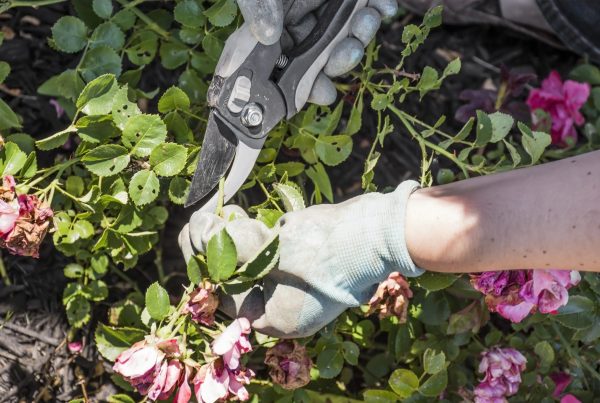
Roses can be pruned now to encourage strong, healthy growth and better blooms later.
-
Deciduous shrubs and climbers benefit from a tidy-up before new shoots appear.
-
Ornamental grasses and old perennial growth should be cut back to make way for fresh spring growth.
Always remove dead, damaged or crossing stems first, and use clean, sharp tools for best results.
Prepare Your Soil
Healthy soil is the foundation of a successful garden, and February is an ideal time to improve it.
-
Clear weeds from borders and vegetable beds.
-
Dig in compost, well-rotted manure or soil improver to boost nutrients and structure.
-
Cover prepared beds with fleece or cloches to warm the soil ahead of planting.
Good soil preparation now means stronger plants and better harvests later on.
Start Early Sowing
While it’s still too cold to sow many seeds outdoors, there’s plenty you can start under cover.
-
Sow chillies, tomatoes and aubergines indoors or in a heated propagator.
-
Hardy vegetables such as broad beans and early peas can be sown in pots or modules.
-
Summer-flowering plants can be started indoors to give them a head start.
Check seed packets for guidance and keep young plants somewhere bright and frost-free.
Chit Seed Potatoes
February is the traditional time to chit seed potatoes. Place them in a cool, light place with the shoots facing upwards. This encourages strong sprouts and can lead to earlier, more reliable crops when planting time arrives.
Plant While Dormant
Bare-root plants are still available and should be planted before spring growth begins.
-
Trees, hedging and fruit bushes establish well when planted now.
-
Make sure the ground isn’t frozen or waterlogged before planting.
This is also a great time to move deciduous plants if needed.
Look After Garden Wildlife
Natural food sources are scarce in late winter, so gardens play a vital role for wildlife.
-
Keep bird feeders topped up and clean regularly.
-
Provide fresh water for birds and animals.
-
Leave some undisturbed areas of the garden for shelter.
Supporting wildlife now helps create a healthier garden ecosystem year-round.
Check, Clean and Repair
February is ideal for getting everything ready before the busy spring season begins.
-
Clean pots, trays and greenhouses.
-
Check fences, trellis and supports for winter damage.
-
Sharpen tools and replace anything past its best.
A little maintenance now saves time when the growing season really kicks off.
A Little Effort Goes a Long Way
February gardening is all about preparation. These simple jobs don’t just fill the gap before spring — they actively shape the success of your garden for the rest of the year. Wrap up warm, pick a dry day, and enjoy the promise of the season ahead.
In the Vegetable Plot
- Prepare your seed beds
- Mulch perennial veg
- Organise your seeds
- Sow some seeds
- Start chitting earlies
In the Flower Bed
- Tackle perennial weeds
- Cut back ornamental grasses
- Dead head winter pansies
- Prune winter flowers
- Sow half-hardy annuals
Around the Garden
- Keep feeding the birds
- Prune summer flowering clematis
In the vegetable plot

Prepare your seed beds
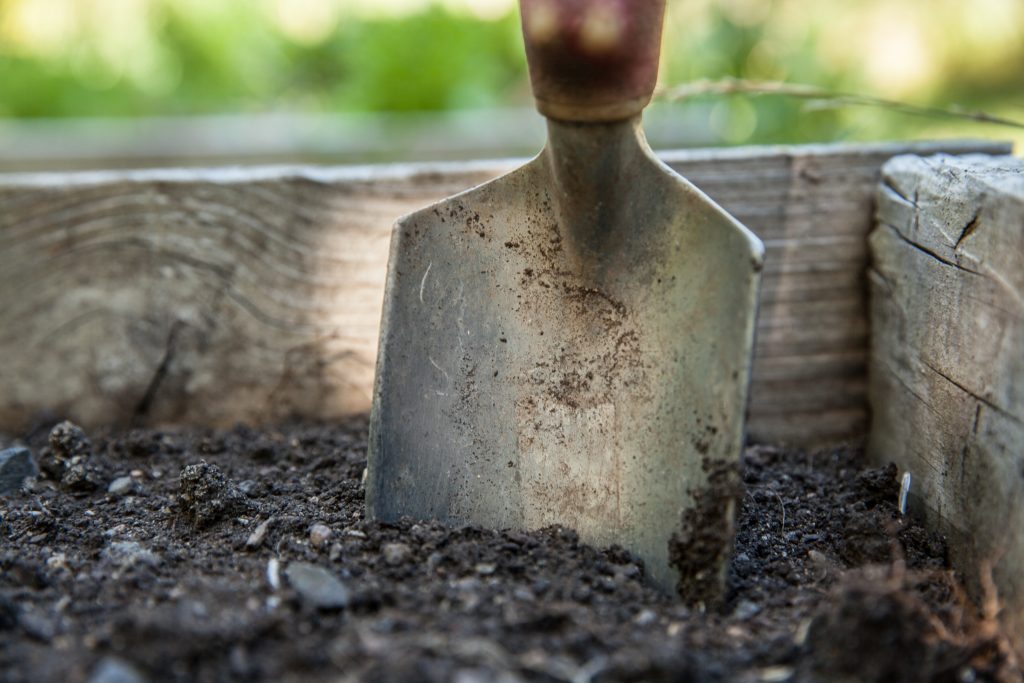
As long as the soil isn’t frozen you can start to prepare your seed beds. Dig over the soil with a fork and remove any weeds, and then dig through a generous amount of compost. Use sheets of plastic, fleece or cloches to help keep the soil drier and to warm it up ready for planting in the spring.
Mulch perennial veg
If you have any perennial veg, such as rhubarb or asparagus, now’s the time to mulch them with garden compost or well-rotted manure.
Organise your seeds
Organise your seeds. Get yourself a box with dividers and organise your seeds by sowing month, it’s a small thing that can make a big difference when sowing season is in full swing!
Sow some seeds
Some seeds can be planted now, sow broad beans and start peas off in guttering.
Start chitting earlies
Start chitting your earlies! Stand potatoes on end in an egg box and put them somewhere bright, cool, frost-free.
In the flower beds

Tackle perennial weeds
Tackle perennial weeds (dandelions, brambles) by digging them up from the root.
Cut back ornamental grasses
Cut back ornamental grasses to within a few centimeters of the ground before new shoots appear.
Dead head winter pansies
Remove flowers which have gone over from winter pansies. This will stop them setting seed as well as encouraging new flowers when the weather gets a bit warmer.
Prune winter flowers
Prune winter flowering plants to encourage new growth and to prevent ones such as heather from getting too leggy. Cut back winter flowering shrubs once their colourful display is over. If you need any advice on pruning, pop in and speak to our plant experts.
Sow half-hardy annuals
Now is also the time you can sow half-hard annuals. Some, such as begonias, need a long growing season, whilst others, such as zinnias, nasturtiums and cosmos can be left as late as April and May
Around the garden

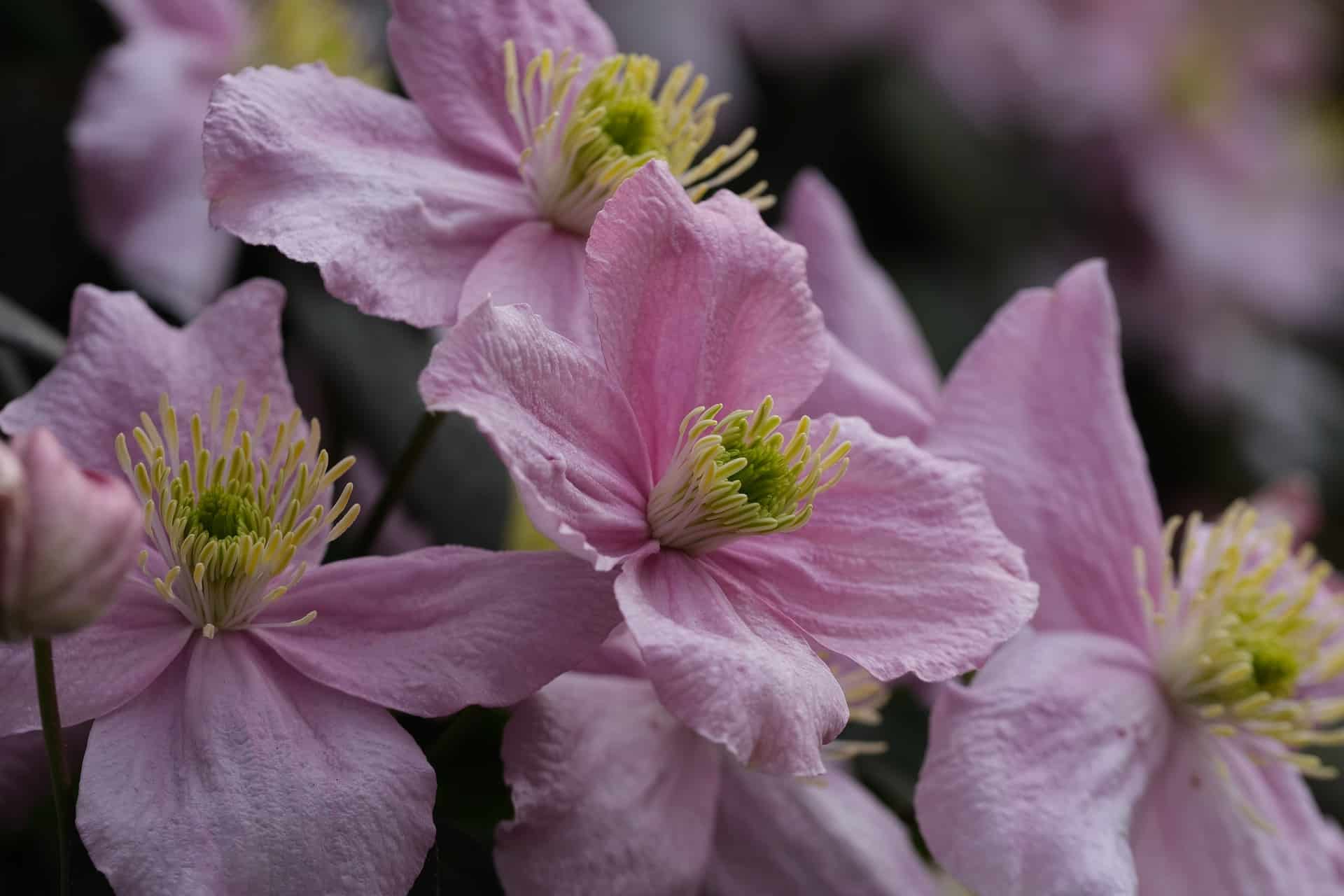
Prune summer flowering Clematis
Towards the end of the month, prune summer flowering clematis, before it starts to produce new growth. Now is also the time to prune wisteria, cutting back any side shoots you don’t want to 2-3 buds.
For the wildlife…

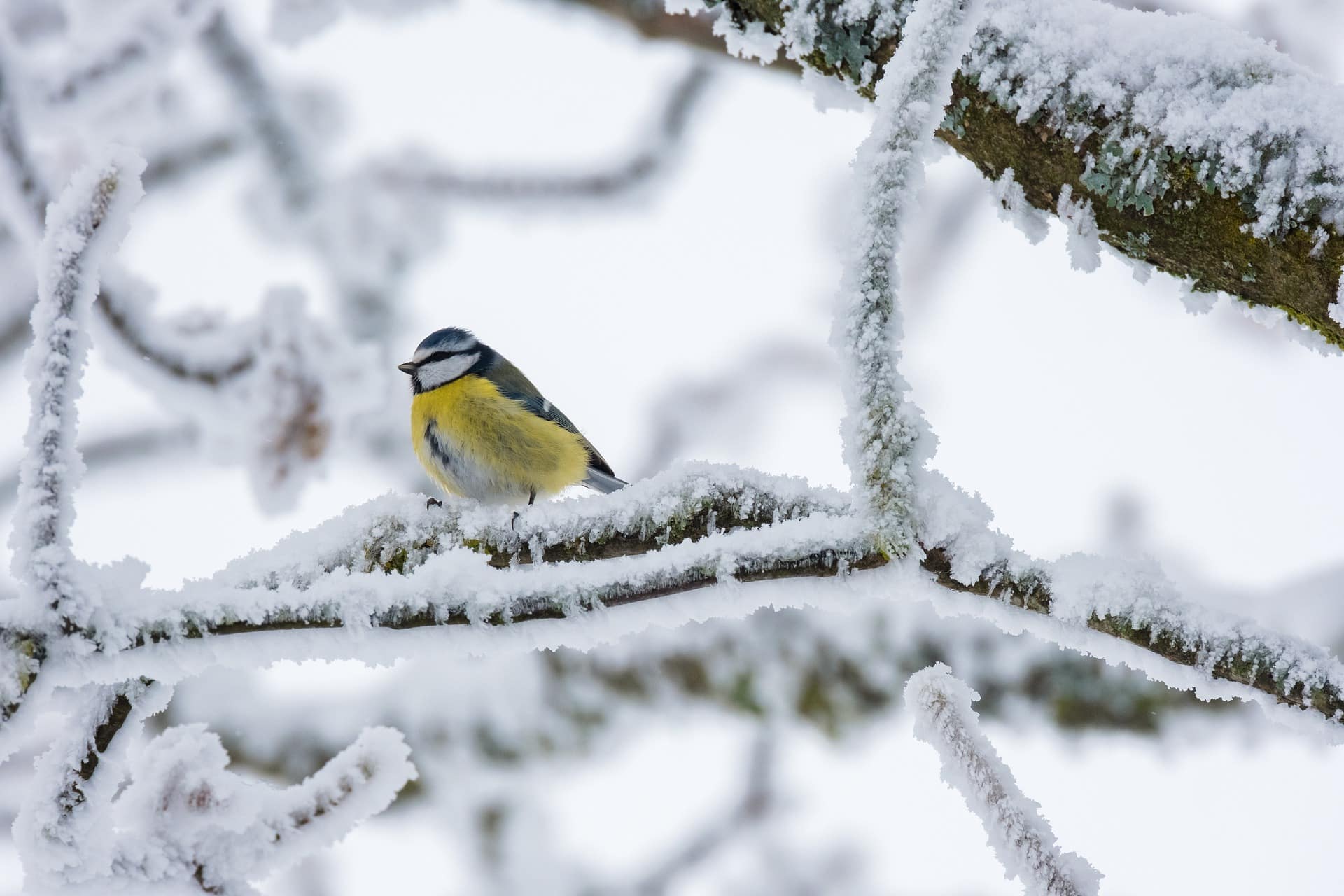
Keep feeding the birds
Keep feeding the birds! Hang fat balls and keep feeders topped up. If you have deciduous hedges, trim them now before the birds start to nest.
Bird baths
Check bird baths and ponds to make sure they haven’t frozen over – float a tennis or ping pong ball on the surface to prevent this.
Ground feeders
Birds like blackbirds and starlings are ground feeders, so scatters food on the floor around your bird table is a good idea.
What To Plant In February

Comments are closed